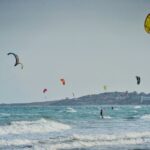
Kitesurfing Mui Ne gives beginners a tempting first taste of freedom: warm water, steady wind, and the feeling that your next session could be much better with your own kite and board. But should you buy kitesurfing gear right after learning? For most new riders, the smart answer is: not immediately. If you have just finished lessons at a Mui Ne kitesurf school, it is usually better to ride supervised, rent for a short period, and understand your real wind range before spending serious money.
That does not mean buying gear is a bad idea. It simply means timing matters. Kites, bars, boards, harnesses, and safety systems must match your weight, skill level, local spot, and the season you actually ride. A setup that feels perfect for one rider can be frustrating or unsafe for another. This guide explains when buying makes sense, when renting is wiser, and how to avoid the expensive mistakes many beginners make after their first waterstarts.
Why beginners want to buy gear so quickly
After a good course, kitesurfing feels close. You know how to set up lines, control power, body drag, waterstart, and maybe ride both ways. The natural thought is: if I own gear, I can practice whenever the wind is good. That motivation is excellent, especially in a place like Mui Ne where the beach culture makes daily riding feel realistic.
The problem is that early progress can be uneven. One windy afternoon may feel easy, then the next session brings stronger gusts, more chop, or a crowded launch. Beginners often change board size, kite size, stance, and harness preference several times in the first weeks. Buying too soon can lock you into equipment that you outgrow, overpower, or simply do not enjoy.
Buy after learning only if you can ride independently
A good rule is simple: buy your first setup only when you can ride upwind, relaunch confidently, self-rescue, and make safe decisions on the beach without constant instructor help. If you are still walking back downwind after every run, renting or taking more coaching is usually better than owning gear.
In kitesurf lessons Mui Ne, the goal is not just to stand on the board. The real goal is independence. You should understand right of way, launch and land signals, downwind space, weather changes, line checks, and when to stop. These habits matter more than the logo on the kite.
New gear vs used gear: what actually makes sense?
New gear is easier to trust because the safety system, bridles, canopy, bar, and lines are fresh. It also comes with shop advice and, often, a warranty. The downside is cost. Many beginners are rough on gear during the first season, so buying everything new can feel painful after a few hard crashes.
Used gear can be a great first step if it is recent, inspected, and suitable for your level. Avoid very old kites, unknown bars, repaired leading edges, sticky valves, stretched lines, and race or C-kite designs that are not beginner friendly. If you cannot inspect gear properly, ask an instructor or experienced rider before paying.
| Option | Best for | Main benefit | Main risk |
|---|---|---|---|
| Renting | Fresh graduates and travelers | Correct size for daily wind | Less freedom outside rental hours |
| Used beginner gear | Riders with local support | Lower cost and good practice value | Hidden wear or wrong kite type |
| New freeride gear | Committed riders with a home spot | Reliable safety and long-term fit | Higher upfront investment |
What gear should a new rider own first?
If you are building a setup slowly, start with a harness that fits well. A comfortable harness improves every session and is easy to travel with. After that, consider a board that suits your weight and typical water state. Boards are simpler than kites, last longer, and are less risky to buy used.
Kites and bars should come later unless you already know your wind range. During the Mui Ne wind season, many riders use medium and smaller kite sizes depending on body weight and the day. In lighter locations or summer conditions, the same rider may need a larger kite. This is why a first quiver should be planned around the spot where you will ride most often, not only the spot where you learned.
Kitesurfing Mui Ne teaches useful buying lessons
Mui Ne is one of the classic Vietnam kitesurfing spots because it combines wind, beach access, schools, rentals, and a steady flow of riders. That makes it a good place to test sizes before buying. You can feel how a larger board helps early planning, how a smaller kite behaves in stronger wind, and how different harnesses change your posture.
Compared with more remote spots, Mui Ne gives beginners more feedback. You can ask instructors, watch advanced riders, and see what actually works in local conditions. If you are comparing the best kitesurf spot Vietnam options, remember that Phan Rang kitesurfing and Vung Tau kitesurfing can be excellent too, but the best first purchase is still the one that matches your real riding location.
Practical buying checklist for beginner kitesurfing Vietnam
Before buying, answer five questions honestly. Can you ride upwind most sessions? Can you self-rescue without panic? Do you know your safe wind range? Will you ride often enough to justify ownership? Can someone experienced inspect the gear with you?
If any answer is no, pause. Spend the money on more water time, coaching, or supervised rental. If the answers are yes, choose forgiving freeride equipment, avoid extreme performance shapes, and buy from a source that can explain the condition of every part.
Final recommendation: rent first, buy deliberately
The best path after learning is usually not rent forever and not buy everything tomorrow. It is a short middle phase: keep riding, rent different sizes, ask for feedback, then buy a simple setup when your skills and local wind needs are clear. This keeps your progression smooth and your budget focused.
For most beginners who learn kitesurfing Vietnam, especially those starting in Mui Ne, the first investment should be better coaching and consistent practice. Gear becomes a great investment when it supports a rider who already knows how, where, and when they will use it.
Still deciding what gear fits your level?
Book a lesson or supervised session with a local team that can match kite size, board size, and safety habits to real Mui Ne conditions.
Most beginners should wait until they can ride upwind, relaunch, self-rescue, and choose safe conditions without constant help. Renting or supervised practice first usually leads to a better first purchase.
A well-fitting harness is often the best first item, followed by a beginner-friendly board. Kites and bars should come later, once you know your normal wind range and riding location.
Used gear can be safe if it is recent, beginner-friendly, and inspected carefully. Avoid very old kites, damaged bars, stretched lines, sticky valves, or performance designs that are not suitable for learning.